Why Wedding Photography Is More Than One Day
What your wedding photographer does before, during, and after your wedding day

The Work Begins Before the Wedding
Wedding photography begins long before I take the first photograph. The planning process helps me understand the couple, prepare for the unexpected, and create a realistic plan for documenting the day.
The Initial Consultation
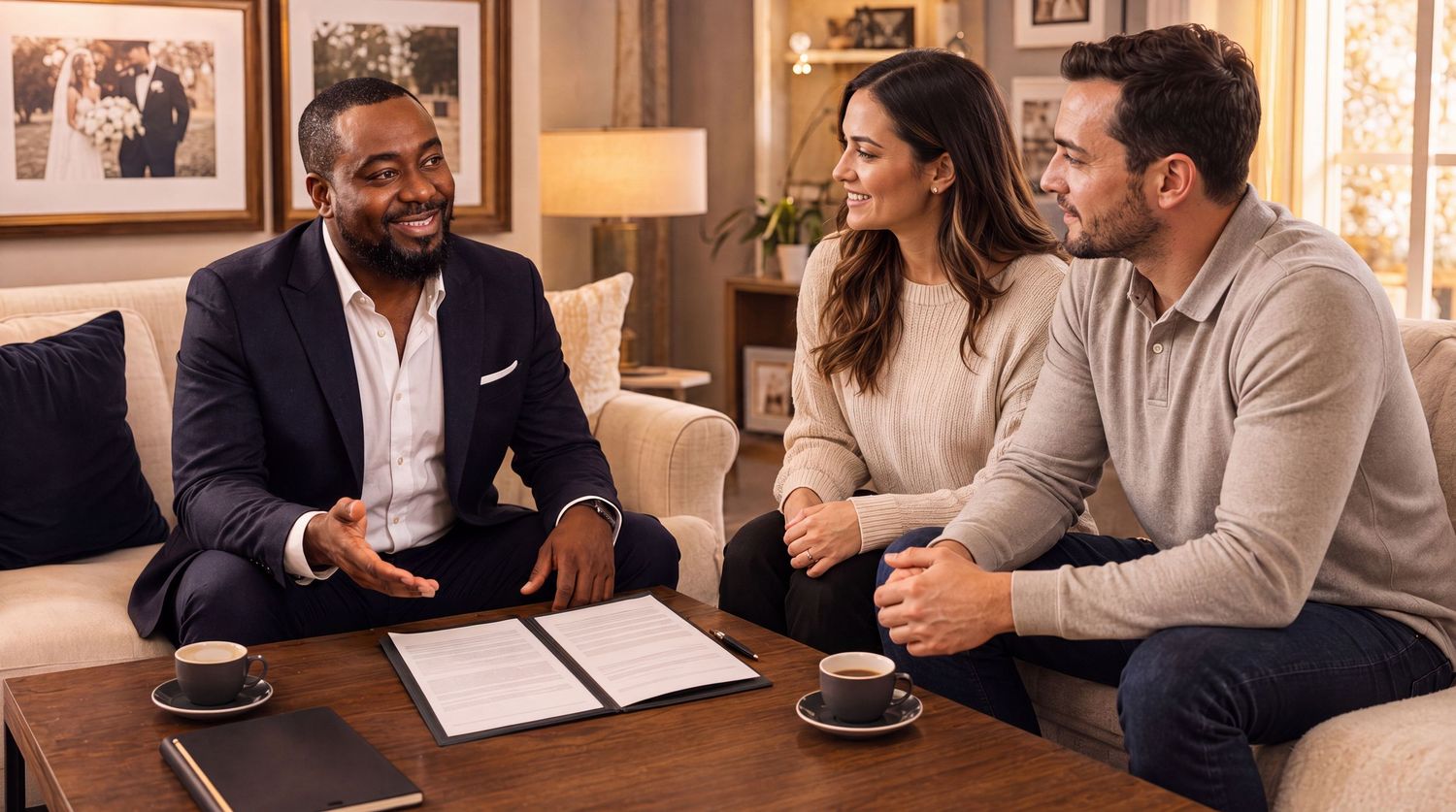
The first step is a consultation. This gives us an opportunity to talk about what you expect from me, what I will need from you, and whether we are the right fit for each other.
Choosing a wedding photographer is about more than liking someone’s photographs. You should feel comfortable with the photographer’s personality, communication style, and approach because that person will be beside you during many important moments.
Reviewing the Contract
If we decide to work together, we review the photography contract. I sit down with my clients and explain each section so they understand exactly what they are signing.
I believe in complete transparency. The contract should clearly explain the coverage, cost, payment schedule, delivery expectations, cancellation policies, and what is included in the collection. There should be no hidden charges or confusing fine print.
Building the Wedding-Day Timeline
Once the contract is settled, we begin discussing the timeline. I need to know where the bride and groom will get ready, when the ceremony begins, what will happen at the reception, and which moments are most important to the couple.
We also discuss:
- The distance between the getting-ready locations and venue
- How long traveling between locations may take
- Whether the venue has suitable areas for portraits
- Whether we need to travel to a park or another location
- How far the portrait location is from the venue
- Family and wedding-party photographs
- Cultural traditions, special dances, or surprises
- Possible delays and backup plans
- Sunset time and the best available light
Planning the Engagement Session
The engagement session gives us an opportunity to work together before the wedding. We choose a location and discuss how to make the session comfortable, personal, and exciting.
During the session, I learn which angles and poses are most flattering for each person. I also teach the couple several simple poses and prompts. By the wedding day, they recognize my directions and can move into position naturally without feeling confused or uncomfortable.
This preparation helps the wedding portraits move more smoothly and gives the couple greater confidence in front of the camera.
Learning About the Family
Family information is another important part of the planning process. I ask about parents, grandparents, children, and other relatives who will attend.
I also need to know about important relationships, family circumstances, mobility concerns, and photographs that carry special meaning. This helps me organize family portraits respectfully and avoid overlooking someone important.
A written family-photo list can make this portion of the wedding faster and more organized.
Preparing the Equipment
Before the wedding, I inspect and prepare all my equipment. I check my cameras, lenses, flashes, light stands, memory cards, batteries, chargers, and backup equipment.
I bring approximately 15 memory cards, including new and previously tested cards. Every card is checked and prepared before the wedding. I charge all batteries and pack additional batteries, lights, and equipment in case something becomes damaged or stops working.
I also confirm which assistant will accompany me. My assistant is different from a second photographer. Their responsibility is to help protect and organize the equipment, assist with lighting, remain nearby when I need something, and help the day run smoothly.
All this preparation happens before the wedding begins. Couples may never see most of it, but it allows me to arrive ready, organized, and focused on capturing their story.

What Does a Wedding Photographer Do During the Wedding?
During the wedding, my responsibility goes far beyond taking photographs. I must follow the timeline, communicate with the couple, organize people, adjust to changing light, protect the equipment, and anticipate important moments before they happen.
Respecting the Ceremony and Religious Traditions
If the ceremony takes place in a church or another house of worship, I must respect its religious traditions and photography rules.
Before the ceremony begins, I find out where I am allowed to stand, whether flash photography is permitted, and whether there are areas I should avoid. My goal is to capture the ceremony without becoming a distraction or doing anything disrespectful.
Once I understand the rules, I prepare my assistant and second photographer, if one is included. I explain where they should stand, which moments they should cover, and which angles we need. This allows us to photograph the ceremony quietly and respectfully.
Capturing the Complete Wedding Story
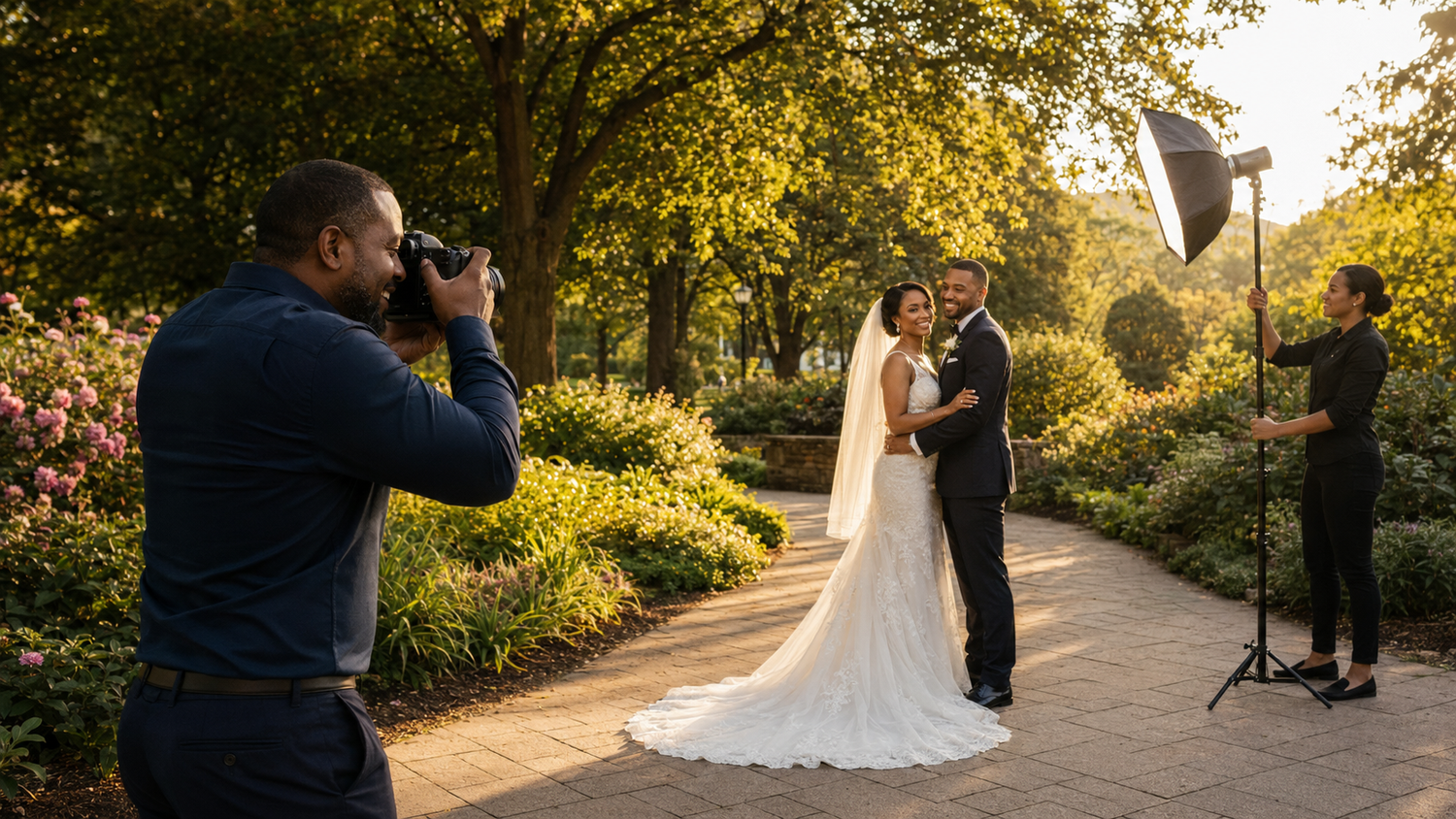
Throughout the wedding, I am constantly watching for important moments. That includes:
- Getting-ready photographs
- Wedding attire, rings, invitations, and other details
- The couple’s arrival
- The wedding party
- Parents and grandparents
- The ceremony entrance
- Reactions from the couple and guests
- The exchange of vows and rings
- The first kiss
- Family and wedding-party portraits
- Couple portraits
- Reception details
- Introductions and first dances
- Speeches and emotional reactions
- Cake cutting and other traditions
- Candid moments on the dance floor
Many of these moments happen only once. I have to anticipate them and be ready before they occur.
Why Does Wedding Photography Require So Much Equipment?
Wedding photographers carry a great deal of equipment because we cannot predict every condition we will face.
Lighting can change from one location to another. Some churches and venues use several different types of light in the same room. Fluorescent lighting may create a green color, while warmer lights can create a yellow or orange tone. Windows, chandeliers, spotlights, and reception lighting can add even more color differences.
For that reason, I bring professional flashes and lighting equipment that allow me to create more consistent light when the venue’s lighting is difficult.
I also bring backup cameras, lenses, batteries, memory cards, and flashes. Photography equipment receives heavy use, and even well-maintained equipment can unexpectedly stop working. A professional photographer must be able to continue documenting the wedding if a camera, flash, or another piece of equipment fails.
How Does a Photographer Handle Changes and Delays?
Changes and delays are common during weddings. Hair and makeup may take longer than expected, traffic can slow down travel, ceremonies may start late, and unexpected events can change the original timeline.
When a delay happens, I communicate with the couple and explain how it may affect the photography schedule. I then help determine which photographs should receive priority and how we can adjust the remaining time.
For example, a long delay during the getting-ready portion of the day may reduce the time available for portraits before the ceremony. I will look for ways to reorganize the timeline, shorten less important portions, or move some photographs to another part of the day.
Clear communication helps the couple understand what is happening and allows us to protect the photographs that matter most without adding unnecessary stress.
Why Might We Need a Second Photographer?
A second photographer can be extremely helpful for a large wedding, a large venue, or a day with several activities happening at the same time.
One photographer cannot physically be in two places at once. While I photograph the bride getting ready, a second photographer can document the groom. During the ceremony, one of us can photograph the couple while the other captures parents, grandparents, and guest reactions.
- A second photographer can also provide:
- Additional angles during the ceremony
- More candid guest photographs
- Wider coverage of a large venue
- Simultaneous coverage of separate locations
- Reception details while family portraits are happening
- Additional protection if unexpected problems arise
Not every wedding requires a second photographer. However, when the wedding is large or the timeline includes several overlapping events, a second photographer helps us tell a more complete story.
What Happens to the Photographs After the Wedding?
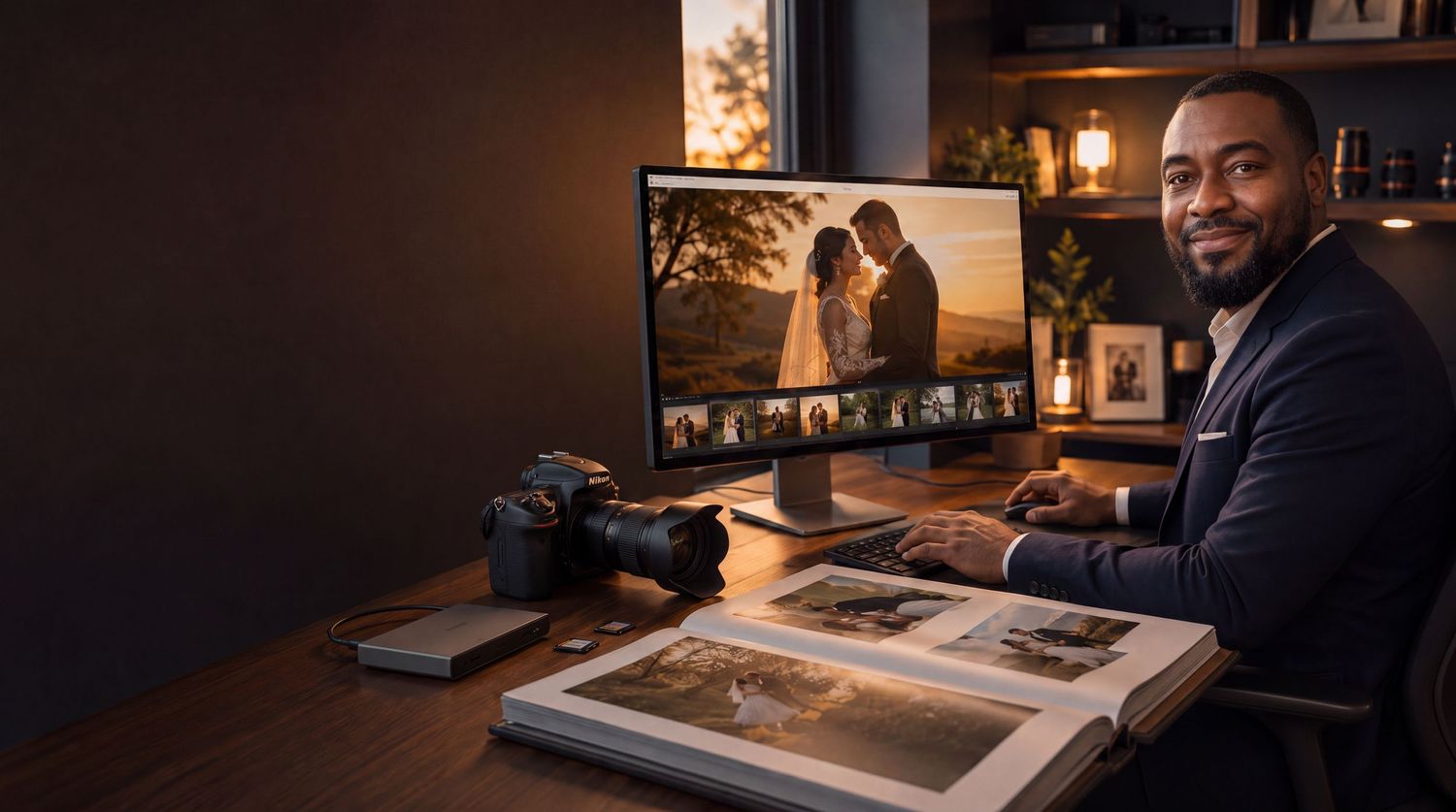
The work continues after the last photograph is taken. Once the wedding is over, the images must be transferred, protected, reviewed, edited, organized, and prepared for delivery.
The following day, I gather the memory cards from every camera and transfer the files to my computer and storage system. Because photographs may have been captured with several cameras under different lighting conditions, I check the color and exposure settings to make sure the finished collection looks consistent.
Only after the photographs are safely backed up do I begin sorting and editing them.
What Happens During the Editing Process?
Every photographer has a different editing process. Modern tools have made certain parts of the work faster, but each wedding still requires careful attention.
I begin by reviewing the photographs closely. During this process, I remove:
- Test shots
- Duplicate photographs
- Images that are out of focus
- Photographs with unflattering expressions
- Accidental shots
- Images that do not add anything meaningful to the wedding story
I am careful when making these decisions because two photographs may appear similar while showing completely different emotions. One photograph might capture a smile, a tear, or a reaction that makes it worth keeping. After selecting the strongest photographs, I begin color correction. I adjust exposure, white balance,
contrast, cropping, and other details so photographs taken with different cameras and lighting conditions feel consistent.
I then identify photographs that need extra attention. These may include important portraits, difficult lighting situations, distracting background elements, or photographs the couple may want printed or included in their album.
How Does AI Assist With Sorting and Editing Photographs?
AI-assisted tools can help identify duplicate photographs, missed focus, closed eyes, and other technical problems. These tools can group similar images and make the first stage of sorting more efficient.
However, AI does not understand the emotional importance of a moment. It may not recognize why a particular expression, glance, or reaction matters to the couple. That is why I personally review the photographs instead of allowing software to make the final decisions.
AI can also assist with certain editing tasks, but the finished result still depends on the photographer. I make sure the photographs are clean, consistent, properly edited, and true to the spirit of the bride, groom, family, and celebration.
Technology can assist the process, but it cannot replace the photographer’s memory of the day, creative judgment, or emotional connection to the story.
How Are the Final Gallery and Wedding Album Prepared?
I personally prepare the final gallery and wedding album. I do not allow AI to decide how the wedding story should be arranged.
As I review the photographs, I remember what happened throughout the day, the emotions people expressed, and the relationships between the people in each image. I organize the gallery in a natural order, beginning with the preparations and continuing through the ceremony, portraits, reception, and celebration.
The wedding album requires another level of attention. I select photographs that work together and arrange them across the pages so the album tells a complete story. Some pages may focus on a powerful single image, while others bring several related moments together.
An album should have emotion, rhythm, and meaning. Software can place photographs into a template, but it cannot fully understand which moments carry the most heart. That part of the process remains personal.
How Are Wedding Photographs Backed Up and Protected?
Wedding photographs cannot be recreated, so protecting the files is one of my most important responsibilities.
When I return home, I transfer the photographs into a dedicated storage system. My backup program then creates copies on three additional hard drives. This gives me three to four copies of the wedding photographs.
If one drive fails or I accidentally delete a file while working, another protected copy remains available. I also keep the original memory cards untouched until I have confirmed that the photographs were transferred and backed up properly.
This backup process protects the couple’s memories and allows me to begin editing with confidence. The couple may never see this part of the work, but it is an essential part of professional wedding photography.
Your Wedding Story Deserves Care at Every Stage
Wedding photography is more than the hours spent photographing your celebration. The planning before the wedding and the careful work afterward are all part of protecting and preserving your story.
From our first consultation to the delivery of your final gallery and wedding album, every step receives personal attention. My goal is to give you photographs that bring you back to the people, emotions, and moments that made your wedding unforgettable.
About the Author
Peter Martinez is a Brooklyn wedding photographer and the owner of Magic All Moment Photography. With more than a decade of experience, Peter helps couples plan their photography coverage and preserves their wedding stories through natural, timeless photographs and professionally designed albums.